Liposuction
Liposuction removes localized deposits of fat to reshape an area of the body. It is a contouring operation, not a weight loss procedure, and it removes fat rather than skin. At Naficy Plastic Surgery & Rejuvenation Center in Bellevue, liposuction is performed by Keith Hurvitz, MD, FACS, certified by both the American Board of Plastic Surgery and the American Board of Otolaryngology, who has published peer-reviewed work on liposuction and abdominoplasty. He performs full-body liposuction — abdomen, flanks, thighs, arms, neck, back and male chest among them. Results depend heavily on skin elasticity: patients whose skin still retracts get the best outcomes, and those with loose skin or stretch marks are usually better served by a skin-removing procedure.
What is liposuction?
Liposuction is a surgical technique that removes fat through small incisions to contour a region of the body. A good result depends on removing enough fat to change the shape while leaving enough behind that the surface stays smooth and natural — over-resection produces contour irregularities that are considerably harder to correct than the original problem.
Two things liposuction does not do, both worth being clear about before a consultation:
- It does not remove skin. Fat comes out; the skin envelope over it is unchanged.
- It is not a treatment for being overweight. See below — this is the most common misunderstanding about the procedure.
Which areas can be treated?
Dr. Hurvitz performs full-body liposuction. Commonly treated areas include:
| Region | Commonly treated areas |
|---|---|
| Trunk | Abdomen, flanks (love handles), back and bra rolls |
| Hips and legs | Hips, buttocks, thighs and calves |
| Arms | Upper arms |
| Chest | Breast, and the male chest — see gynecomastia surgery |
| Neck | Beneath the chin and along the jawline |
Several areas are commonly treated in one operation, which is usually more efficient than returning for each separately.
Will my skin tighten after liposuction?
This is the question that determines whether liposuction is the right operation for you, and it deserves a straight answer.
Liposuction relies on the skin’s own elastic properties to contract down around the reduced volume underneath. Patients with youthful, elastic skin tend to get the best results. Where that elasticity is intact, the skin retracts and the new contour looks smooth.
Patients with stretch marks and loose folds of skin do not benefit from liposuction and should consider a different body contouring procedure. Where skin has already lost its elasticity, taking the fat out from underneath removes what was filling the envelope — and the looseness becomes more obvious, not less. This is the single most common way liposuction disappoints people.
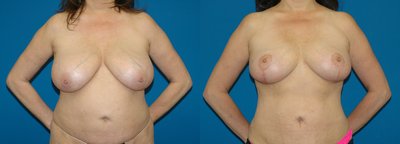
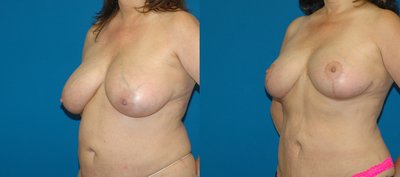
If your skin has lost elasticity — after pregnancy, major weight loss, or simply with age — the operations that help are the ones that remove skin: a tummy tuck for the abdomen, an arm lift for the upper arms, or a staged body contouring plan after major weight loss. Dr. Hurvitz will tell you which category you fall into at the consultation.
How is liposuction performed?
Small incisions are made in the treatment area, positioned where they are least conspicuous. A dilute local anesthetic solution containing a vasoconstrictor is infiltrated into the fat first, which numbs the area, reduces bleeding and makes the fat easier to remove. A narrow cannula is then passed through the fat in a controlled crosshatched pattern to remove it evenly.
The incisions are small enough that scarring is typically minimal, though like all surgical scars they are permanent.
Technology matters less here than technique. As the practice has long stated: a good liposuction result is most dependent on the skill and experience of the surgeon. The judgment involved — how much to take, where to feather the edges, when to stop — is what separates a smooth result from a lumpy one, and no device supplies it.
What type of anesthesia is used?
The anesthetic approach depends on how many areas are being treated and whether liposuction is being combined with another procedure. Smaller, single-area treatments may be performed under local anesthesia with sedation; larger or combined procedures are performed under general anesthesia.
Surgery is performed in the practice’s on-site accredited ambulatory surgery center, and your anesthesia plan is reviewed with you before the day of surgery.
Is liposuction safe?
Liposuction is among the most commonly performed cosmetic operations, and in appropriately selected, healthy patients it has a well-established safety record. That said, it is surgery, and the risks scale with the volume removed, the number of areas treated, the length of the operation and whether other procedures are performed at the same time.
The factors that most influence safety are the ones decided before the operation starts: whether you are a suitable candidate, whether your expectations match what liposuction can do, whether the volume planned is reasonable, and whether the procedure is performed in an accredited facility with a dedicated anesthesia team.
Can liposuction be combined with other procedures?
Yes, and it frequently is. Liposuction is commonly combined with:
- Tummy tuck, addressing the fat and the loose skin together
- Breast reduction, with liposuction of the axillary tail and lateral chest
- Gynecomastia surgery for the male chest
- Body contouring after weight loss, where liposuction refines contour alongside skin removal
Combining procedures means one anesthetic and one recovery rather than two, but it also means a longer operation. Whether combining is appropriate in your case is a judgment made at consultation.
Can fat removed by liposuction be used elsewhere?
Yes. Fat removed during liposuction can be processed and transferred to another area to add volume — a technique known as fat grafting or fat transfer. It is most commonly used for the breast, and also for contour irregularities and the hands.
Not all transferred fat survives. A proportion is reabsorbed over the first several months, which is why fat grafting sometimes requires more than one session to reach the desired volume.
Dr. Hurvitz does not perform fat transfer to the buttocks (Brazilian Butt Lift).
Is liposuction a weight loss procedure?
No. This is worth stating plainly, because it is the most common misconception about the operation.
Liposuction is a contouring procedure. It removes localized deposits of fat that have proven resistant to diet and exercise, and it changes the shape of an area — but the amount of fat that can be safely removed is limited, and the weight change is modest. Patients seeking meaningful weight reduction are better served by diet, exercise, medical weight management or bariatric surgery, and liposuction is best considered afterward, once weight is stable.
Liposuction also does not prevent future weight gain. Fat cells removed from a treated area do not return, but the remaining fat cells throughout the body can still enlarge, and significant weight gain will change the result.
What are the risks of liposuction?
- Contour irregularity, rippling, or asymmetry between sides
- Over-resection producing depressions or a hollowed appearance, which is difficult to correct
- Loose skin becoming more apparent where elasticity was already poor
- Prolonged swelling and firmness, which can take months to fully resolve
- Numbness or altered sensation over the treated area, usually temporary but occasionally lasting
- Bruising, which is expected and resolves over weeks
- Seroma, a collection of fluid that may require drainage
- Infection
- Small permanent scars at the incision sites
- Changes in skin pigmentation over the treated area
- Blood clots in the legs or lungs, a greater consideration in longer or combined procedures
- The need for a revision or touch-up procedure
- Anesthetic risk, and the general risks of any surgical procedure
What is recovery from liposuction like?
Recovery depends on how many areas were treated and how much was removed. A single small area is very different from full-body treatment.
| Time after surgery | What to expect |
|---|---|
| Day of surgery | Outpatient. A responsible adult must drive you and stay with you overnight. Compression garment applied before you leave. |
| Days 1–3 | Peak soreness, usually described as feeling deeply bruised. Drainage of anesthetic fluid from the incisions is normal in the first day or two. Walking from the first day. |
| Days 4–7 | Discomfort decreasing. Bruising at its most visible. Many patients return to non-strenuous desk work near the end of this week. |
| Weeks 2–3 | Bruising fading. Swelling still substantial — the treated area may feel firm and look larger than it will. Compression garment worn as directed. |
| Weeks 3–4 | Light cardio resumed with clearance. |
| Week 6 | Strength training and full activity generally resumed, on Dr. Hurvitz’s clearance. |
| Weeks 6–12 | Firmness softening. Contour becoming apparent as swelling resolves. |
| 3–6 months | Most swelling resolved and the result largely visible. |
| 6–12 months | Final contour. Residual firmness and swelling fully settled. |
Swelling after liposuction resolves more slowly than most patients expect. Judging your result at six weeks is premature.
Who is a good candidate for liposuction?
- Localized fat deposits that have not responded to diet and exercise
- Good skin elasticity, so the skin retracts around the reduced volume
- At or near a stable weight, and physically healthy
- Realistic expectations about what contouring can achieve
- A non-smoker, or willing to stop well in advance and stay off nicotine through healing
- Understands that liposuction changes shape rather than weight
- Prepared to maintain weight afterward, since remaining fat cells can still enlarge
Who is not a good candidate?
- Anyone with loose skin or stretch marks in the area. Liposuction will make the looseness more obvious. A skin-removing procedure is the right operation.
- Patients seeking weight loss. Liposuction is not a weight reduction procedure and should not be used as one.
- Anyone whose weight is still changing significantly. Get to a stable weight first; the result will hold better and the plan will be more accurate.
- Active smokers unwilling to stop. Nicotine impairs healing and raises the risk of skin and wound complications.
- Patients expecting cellulite to be corrected. Liposuction treats fat volume, not the dimpling caused by the fibrous bands that tether skin to underlying tissue. It does not reliably improve cellulite and can occasionally make it more noticeable.
- Anyone wanting fat transferred to the buttocks. Dr. Hurvitz does not perform this procedure.
- Patients with unrealistic expectations about smoothness. Some degree of irregularity is possible in any liposuction result, and pre-existing asymmetry usually persists to some degree.
How much does liposuction cost in Bellevue?
Liposuction pricing varies more than most procedures, because the operation varies more — treating one small area is a different operation from treating several, and combining liposuction with another procedure changes the calculation again.
| What determines the fee | The number and size of areas treated, operative time, the anesthetic required, and whether liposuction is combined with another procedure |
| How you get a figure | An exact written quote after your in-person consultation, once the treatment plan is set |
| Insurance | Cosmetic liposuction is not covered by health insurance. Dr. Hurvitz is not contracted with any insurance plans. |
See fees and payment policies, financing options and general pricing and purchasing terms.
Why choose Dr. Hurvitz for liposuction?
- Certified by two American boards. Keith Hurvitz, MD, FACS is certified by the American Board of Plastic Surgery and the American Board of Otolaryngology — Head and Neck Surgery, and is a Fellow of the American College of Surgeons.
- Published on liposuction and abdominoplasty in the peer-reviewed literature.
- Full-body liposuction, so the plan is built around what you need rather than a limited menu of treatment areas.
- Honest candidacy assessment. Where loose skin means liposuction would disappoint you, he will say so and recommend the operation that actually addresses it.
- Accredited on-site facility with a dedicated anesthesia team.
- Practicing plastic surgery since 2007, including extensive body contouring after major weight loss.
Where is the surgery performed?
Liposuction is performed in the practice’s on-site ambulatory surgery center at 1110 112th Ave. NE in Bellevue. The facility is Medicare-certified and Washington State accredited, with two fully equipped operating rooms and a dedicated anesthesia team. Liposuction is an outpatient procedure and you go home the same day.
Operating in an accredited facility attached to the practice means the same nursing and anesthesia team works with Dr. Hurvitz on every case.
Liposuction FAQ
Will liposuction tighten my skin?
Liposuction relies on your skin’s own elasticity to retract around the reduced volume. Patients with youthful, elastic skin get the best results. Where skin is already loose or marked with stretch marks, liposuction tends to make the looseness more obvious, and a skin-removing procedure is the better option.
Is liposuction a weight loss procedure?
No. It is a contouring procedure that removes localized fat deposits resistant to diet and exercise. The weight change is modest, and patients seeking meaningful weight reduction should address that first and consider liposuction once weight is stable.
Which areas can be treated with liposuction?
Dr. Hurvitz performs full-body liposuction, including the abdomen, flanks, back, bra rolls, hips, buttocks, thighs, calves, upper arms, breast, male chest and neck.
Does liposuction get rid of cellulite?
Not reliably. Cellulite is caused by fibrous bands tethering the skin to underlying tissue, not by fat volume alone. Liposuction treats the fat, and in some cases can make dimpling slightly more noticeable.
Will the fat come back after liposuction?
Fat cells removed from a treated area do not return, but the fat cells remaining elsewhere in the body can still enlarge. Significant weight gain after surgery will change the result.
How much does liposuction cost?
It depends on the number and size of areas treated, operative time, the anesthetic required, and whether another procedure is combined. You receive an exact written quote after your consultation.
Does insurance cover liposuction?
No. Cosmetic liposuction is not a covered benefit, and Dr. Hurvitz is not contracted with any insurance plans.
What anesthesia is used for liposuction?
It depends on the extent of treatment. Smaller single-area procedures may be done under local anesthesia with sedation; larger or combined procedures are done under general anesthesia. Your plan is reviewed with you before surgery.
How long is recovery after liposuction?
Most patients return to non-strenuous desk work at about a week. Light cardio at three to four weeks, full activity at around six weeks with clearance. Swelling takes considerably longer — most resolves by three to six months, with final contour at six to twelve months.
How long do I wear the compression garment?
It is applied before you leave the surgery center and worn as directed through the early recovery period. Specific instructions are given to you before surgery.
How much fat can be removed?
There is a safe limit, and it is lower than most patients expect. Removing more is not better — over-resection causes contour depressions that are considerably harder to correct than the original problem.
Will I have scars from liposuction?
Small permanent scars at the incision sites. They are positioned where they are least conspicuous and are typically minimal, but like all surgical scars they do not disappear entirely.
Can liposuction be combined with a tummy tuck?
Yes, and it commonly is. Where there is both excess fat and loose skin, addressing both in one operation generally produces a better result than liposuction alone.
Can the removed fat be used somewhere else?
Yes, through fat grafting — most commonly to the breast, and also for contour irregularities and the hands. Some of the transferred fat is reabsorbed, so more than one session is sometimes needed. Dr. Hurvitz does not perform fat transfer to the buttocks.
When will I see my final liposuction result?
Most swelling resolves by three to six months, with the final contour at six to twelve months. Judging the result at six weeks is premature.
Can I have liposuction after losing weight on a GLP-1 medication?
Possibly, but skin elasticity is the deciding factor. Many patients after major weight loss have loose skin, which liposuction alone will make more apparent. See body contouring after weight loss, and expect Dr. Hurvitz to want your weight stable first.
Is liposuction painful?
Most patients describe it as feeling deeply bruised rather than sharply painful, with soreness peaking in the first two to three days and improving steadily from there.
Next steps
To discuss liposuction with Dr. Hurvitz, schedule a consultation at our Bellevue office, or complete the Surgical Consultation Intake Form in advance so your visit can focus on your plan rather than paperwork. If you have a question first, you can ask it here.
Naficy Plastic Surgery & Rejuvenation Center · 1110 112th Ave. NE, Suite 150, Bellevue, WA 98004 · (425) 450-0880
Medically reviewed by Keith Hurvitz, MD, FACS, board-certified plastic surgeon. Last reviewed September 2026.
This page is for general education and is not a substitute for a consultation. Individual results vary.